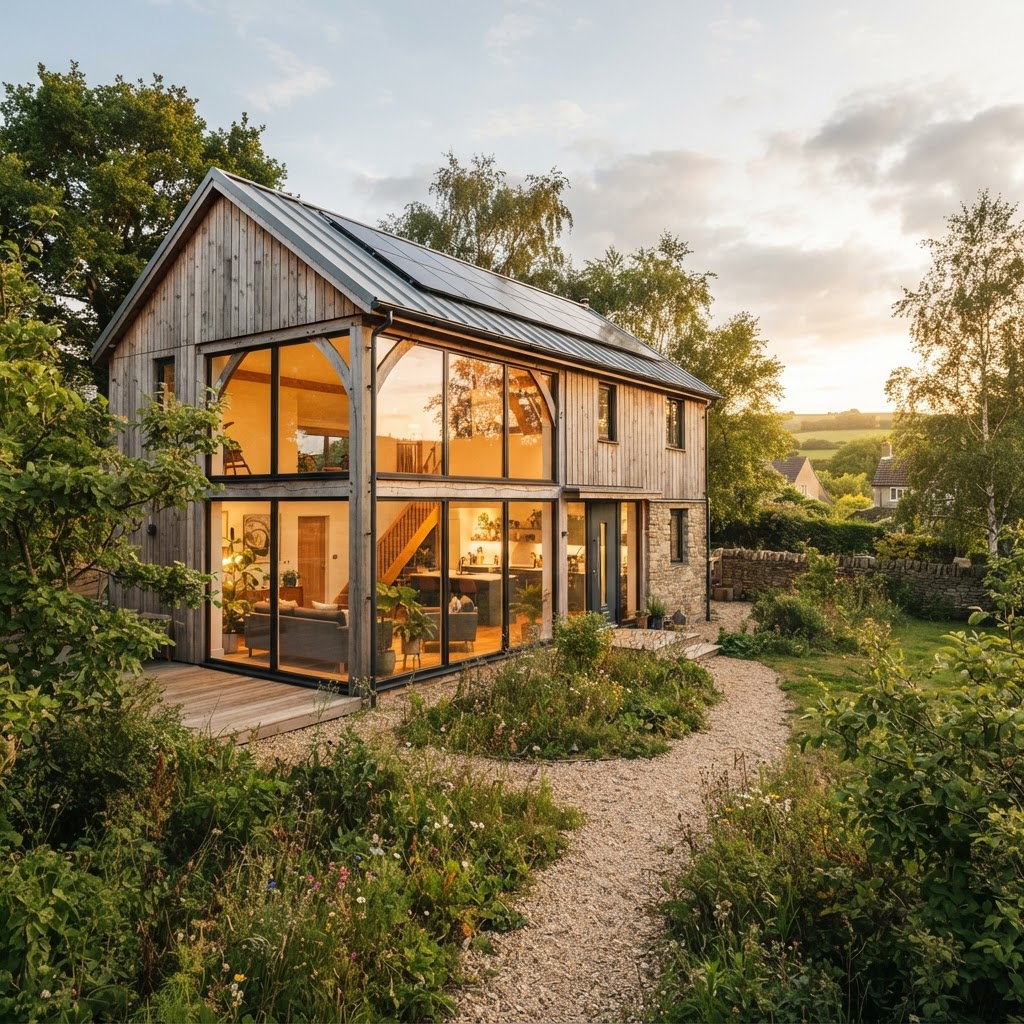
EPC Challenges for Non-Standard Construction: A Guide for Owners of Timber Frame, Prefab, and Steel Properties
Owning a property is a significant investment, and understanding its energy efficiency is crucial. For most homes in the UK, getting an Energy Performance Certificate (EPC) is a straightforward process. However, if your home is built with non-standard construction methods like timber frame, prefabricated units, or steel frames, you might encounter unique challenges. These properties, while often offering distinct advantages, can present complexities when it comes to accurately assessing their energy performance.
At Staffordshire EPC, based right here in Stoke-on-Trent, we specialise in navigating these complexities. We understand that properties built before certain modern standards or using alternative materials require a nuanced approach to EPC assessment. This guide will walk you through the common challenges, explain why they matter, and offer practical advice for homeowners, landlords, and estate agents across Staffordshire and beyond.
Why Non-Standard Construction Needs Special Attention
Traditional UK housing stock predominantly features brick and block construction. When it comes to EPCs, assessors are trained to identify and evaluate the thermal properties of these common materials. Non-standard construction methods, however, differ significantly:
- Timber Frame: Often built with external cladding or brickwork, the internal timber frame's thermal bridging and insulation effectiveness can be harder to assess without invasive inspection. Older timber frames might also have less sophisticated insulation than modern timber-clad homes.
- Prefabricated (Prefab) Homes: Built off-site in sections, these can vary wildly in their construction and insulation. Some prefabs are incredibly energy-efficient, while others, particularly older ones, might have been built with materials or insulation methods that are now considered poor by today's standards.
- Steel Frame Properties: These can be contemporary or more industrial-looking. The thermal conductivity of steel can be a significant factor, and the way insulation is integrated into the steel frame is critical for an accurate EPC rating.
Common EPC Challenges for Non-Standard Builds
Assessing these properties requires a qualified Domestic Energy Assessor (DEA) with experience in diverse construction types. Here are the key challenges:
- Assessing Insulation Effectiveness: It can be difficult to determine the type, depth, and condition of insulation without removing parts of the structure (which is not permitted during a standard EPC survey). Assessors rely on visual cues, available documentation, and their expertise to make informed judgements.
- Thermal Bridging: This occurs where heat escapes more easily through structural elements like timber studs or steel beams. Identifying and quantifying thermal bridging in non-standard constructions can be complex, impacting the overall energy rating.
- Identifying Wall and Floor Structures: Without being able to see the core construction, an assessor might struggle to identify the exact make-up of walls and floors, especially if they are clad or have been subject to renovations.
- Lack of Original Documentation: Many owners of non-standard properties may not have detailed records of the build or any subsequent energy efficiency upgrades, making it harder for assessors to verify specifications.
Understanding UK Legislation: MEES and EPC Ratings
In the UK, minimum energy efficiency standards (MEES) are becoming increasingly important. For rental properties, landlords are legally required to ensure their properties have a minimum EPC rating of 'E' unless they qualify for an exemption. Failure to comply can result in hefty fines – up to £5,000 for the first offence and even more for subsequent breaches.
The key takeaway is that an accurate EPC is vital for legal compliance. If your non-standard property has a low EPC rating, you might need to undertake improvements to meet MEES before you can let it out. Conversely, a good EPC rating can enhance your property's marketability and value.
Practical Advice for Owners of Non-Standard Properties
Whether you're looking to sell, rent out, or simply understand your home better, here’s how you can prepare for your EPC assessment:
- Gather Documentation: Collect any building plans, specifications from when you bought the property, details of any upgrades (e.g., new insulation, windows, heating systems), and previous EPCs. This information is invaluable for your assessor.
- Be Honest About What You Know: If you've had work done, provide details. If you're unsure about certain aspects of the construction, mention it. Transparency helps the assessor make the most accurate assessment possible.
- Consider a Retrofit Assessment: For older or more complex properties, a full retrofit assessment might be beneficial before an EPC survey. This provides a more in-depth analysis of your home's energy performance and potential improvement measures.
- Choose an Experienced Assessor: This is critical. Look for an accredited DEA who specifically mentions experience with non-standard construction. At Staffordshire EPC, we pride ourselves on our expertise with a wide range of property types across Stoke-on-Trent and the wider Staffordshire area.
What to Expect During an EPC Survey for Non-Standard Builds
Your accredited Domestic Energy Assessor will:
- Visually Inspect: They will look at the exterior of the property, assess the roof space (if accessible), and examine any visible wall constructions, windows, and doors.
- Inquire About Construction: They will ask you about the build method and any known details.
- Assess Heating and Hot Water Systems: This includes the boiler, radiators, and any secondary heating.
- Evaluate Lighting: The type of light fittings (e.g., low-energy bulbs) will be noted.
- Note Renewable Energy: If you have solar panels or other renewables, these will be factored in.
The assessor will use specialised software to calculate the energy rating based on the information gathered. While they cannot undertake destructive testing, their experience allows them to make the most accurate estimation possible under standard survey conditions.
Ensuring Compliance and Improving Your Property
If your non-standard property is struggling to achieve a good EPC rating, don't despair. There are often straightforward improvements that can make a significant difference:
- Improving Insulation: Adding cavity wall insulation (if applicable and accessible), loft insulation, or solid wall insulation can dramatically boost your rating.
- Upgrading Windows and Doors: Replacing old, single-glazed windows with modern, energy-efficient double or triple glazing makes a huge impact.
- Modernising Heating Systems: A new, efficient boiler or installing a heat pump can significantly improve energy use.
- Airing Cupboard Insulation: Insulating your hot water tank and pipes is a simple yet effective measure.
Understanding your EPC is the first step. If you own a timber frame, prefab, or steel frame property in the Stoke-on-Trent or Staffordshire area, navigating the EPC process can seem daunting. However, with the right expertise, it's entirely manageable.
Don't risk non-compliance or miss out on potential energy savings. Contact Staffordshire EPC today! Our local, experienced assessors understand the unique challenges of non-standard construction and are ready to provide you with an accurate and comprehensive Energy Performance Certificate for your property.