EPC Myths Revealed: What UK Homeowners Really Need to Know About Energy Performance Certificates
As a homeowner, it’s crucial to navigate the complexities of the real estate market with confidence. Often, one term that causes confusion is the Energy Performance Certificate (EPC). With the increasing focus on energy efficiency and rising responsibilities of landlords and homeowners alike, it’s important to debunk some common myths surrounding EPCs. At Staffordshire EPC, your local expert in Stoke-on-Trent, we’re here to clarify what you need to know.
What is an Energy Performance Certificate?
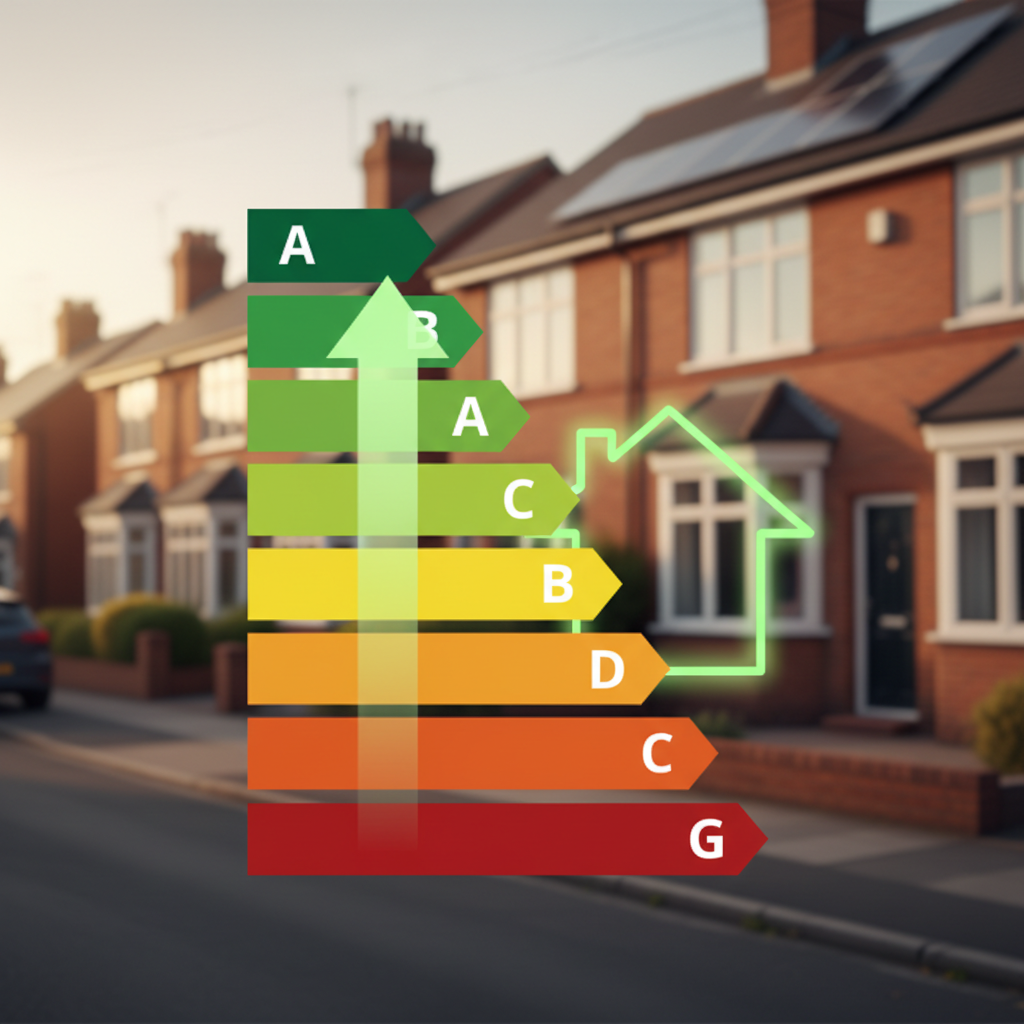
Before diving into myth-busting, let's clarify what an Energy Performance Certificate is. An EPC is a legal document that evaluates the energy efficiency of a property. Ranging from A (most efficient) to G (least efficient), this certificate not only indicates the property’s current energy efficiency but also highlights areas for improvement.
Myth 1: EPCs are Only for Landlords
The Truth
Many homeowners believe that EPCs are only relevant for landlords. This is a misconception. Homeowners need an EPC if they are selling or renting their properties. An EPC validates the energy efficiency of your home, making it a critical factor for prospective buyers or tenants who are becoming increasingly energy-conscious.
Practical Tip: Always have your EPC ready before listing your property on the market. It can facilitate quicker sales and enhance the value of your home.
Myth 2: An EPC is Not Required for New Builds
The Truth
Another common myth is that new builds do not require an EPC. In reality, all newly constructed homes must have an EPC before sale or rental. These properties often receive high efficiency ratings, but it’s still a legal requirement.
Practical Tip: Ensure your newly built property is registered with a valid EPC before marketing it—this not only complies with UK law but also attracts environmentally conscious buyers.
Myth 3: You Can Ignore Your EPC Rating
The Truth
Ignoring your EPC rating could prove costly. Under the Minimum Energy Efficiency Standards (MEES), properties must have at least an E rating for renting or selling. Non-compliance could result in fines of up to £5,000. This is especially important for landlords, who must ensure their properties meet these standards before re-letting.
Practical Tip: If your property is rated F or G, contact Staffordshire EPC to discuss potential improvements and bring your property up to standard.
Myth 4: EPCs are Very Expensive to Obtain
The Truth
Many homeowners assume that acquiring an EPC is an expensive and time-consuming process. However, with reputable companies like Staffordshire EPC, obtaining an EPC can be quick and affordable. Our experts in Stoke-on-Trent can provide efficient assessments that cater to budget-friendly options.
Practical Tip: Always compare EPC provider prices and services to ensure you’re getting the best value. Don’t hesitate to ask about bulk discounts for multiple properties if you’re a landlord.
Myth 5: You Only Need an EPC Once
The Truth
Some property owners believe that once they obtain an EPC, there’s no need to revisit it. This is inaccurate, as EPCs are valid for ten years. However, if you make significant energy-efficient improvements or change the property’s use, you may need a new assessment.
Practical Tip: Regularly review your EPC and consider improvements that can enhance your rating. Energy audits can provide insights into potential upgrades.
Conclusion
Understanding EPCs is increasingly important for UK homeowners, landlords, and prospective buyers in navigating the property market effectively. Here at Staffordshire EPC, we help ensure that you remain compliant with current legislation and can enhance the value of your property. Don’t let myths cloud your understanding of Energy Performance Certificates. For a reliable EPC assessment in Stoke-on-Trent, contact us today!
Call-to-Action
Want to stay compliant and increase your property’s value? Get in touch with Staffordshire EPC for your energy performance assessment today!