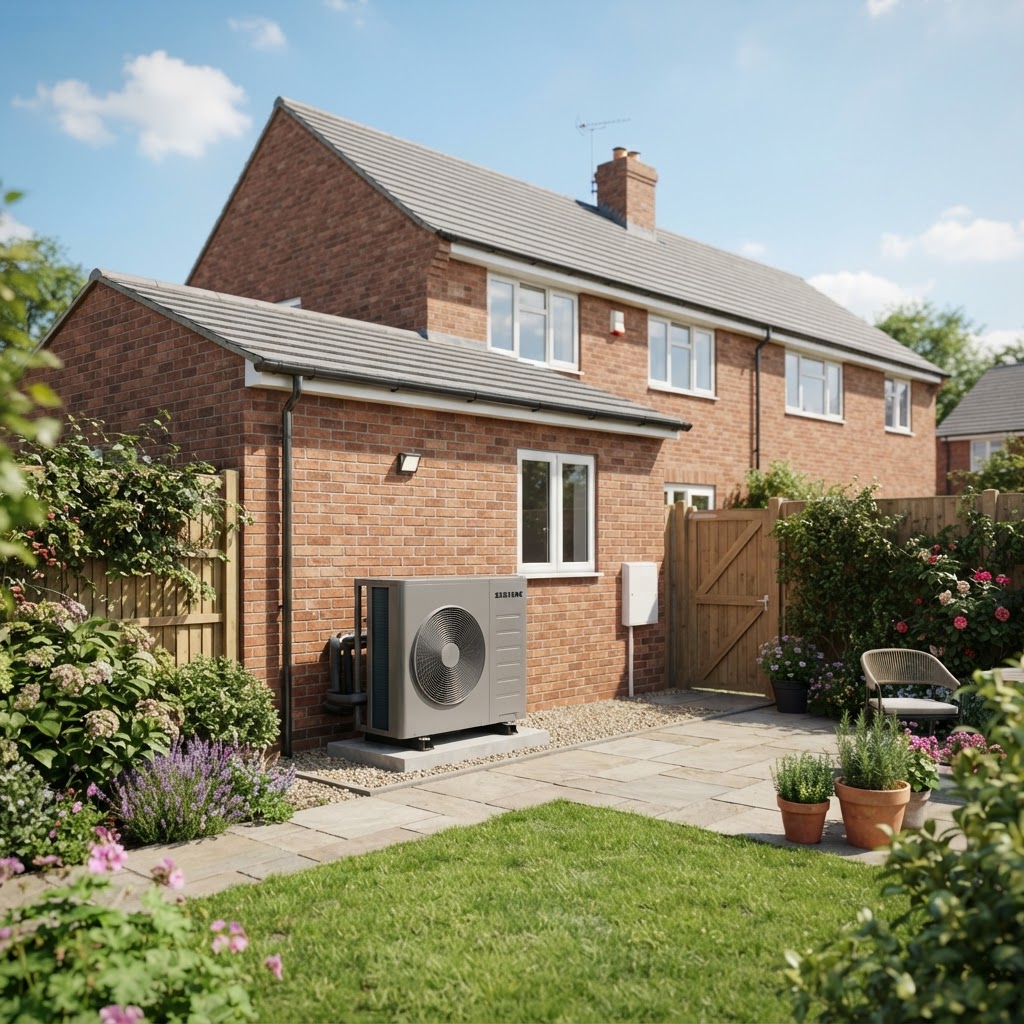
Switching to Heat Pumps: A Practical Guide to How Air Source Systems Influence Your EPC Rating
As energy costs continue to fluctuate and the UK pushes towards a net-zero future, homeowners in Stoke-on-Trent are increasingly turning to renewable heating solutions. At Staffordshire EPC, we are frequently asked: 'Will an air source heat pump (ASHP) actually improve my property’s EPC rating?' The answer is a resounding yes, but understanding how it impacts your score requires a closer look at the methodology behind the Energy Performance Certificate.
The Role of Heating in EPC Ratings
An EPC rating is primarily a measure of energy cost-efficiency, not just carbon emissions. Because air source heat pumps are significantly more efficient than traditional gas boilers—often producing three to four units of heat for every single unit of electricity consumed—they can drastically reduce the calculated energy demand of a home. In our experience at Staffordshire EPC, retrofitting an ASHP in an older property in Staffordshire is one of the most effective ways to jump up one or even two energy bands.
Why Your EPC Rating Matters
For landlords, the stakes are higher than ever. Current Minimum Energy Efficiency Standards (MEES) require rental properties to hold an EPC rating of at least 'E'. Failure to comply with these standards can lead to severe financial penalties, including fines of up to £5,000. While the government has discussed tightening these regulations to a 'C' rating by 2028, investing in low-carbon heating now is a proactive way to future-proof your investment against changing legislation.
How the SAP Calculation Views Heat Pumps
EPCs are generated using the Standard Assessment Procedure (SAP). SAP gives credit for the high efficiency of heat pumps. However, to maximise the rating improvement, the heat pump must be paired with appropriate heat distribution systems.
The Importance of Insulation
An air source heat pump operates at a lower flow temperature than a traditional radiator system. If your home is poorly insulated, the pump will struggle to maintain comfortable temperatures. Before installing a pump, we recommend ensuring your loft and wall insulation meet modern standards. An ASHP installed in a well-insulated 'Staffordshire semi' will see a far greater EPC uplift than one installed in a draughty, uninsulated property.
Practical Steps to Boost Your Rating
- Conduct an EPC Assessment First: Before investing thousands in heating, book an assessment with Staffordshire EPC. We can provide a 'What If' scenario analysis to show you exactly how much an ASHP will improve your rating.
- Upgrade Heat Emitters: In some cases, you may need to install larger radiators or underfloor heating to complement the lower flow temperatures of your new pump.
- Integrate Solar PV: Combining a heat pump with solar panels can further reduce your electrical running costs, which positively influences the 'Environmental Impact' section of your EPC.
Expert Guidance in Stoke-on-Trent
Navigating the transition to renewable energy can feel overwhelming. Whether you are a landlord in Stoke-on-Trent looking to meet MEES requirements or a homeowner trying to increase your property's value, Staffordshire EPC is here to help. We provide accurate, government-approved Energy Performance Certificates and professional advice tailored to the unique housing stock found across Staffordshire.
Ready to see how your home scores? Don’t risk fines or inefficient energy usage. Contact the team at Staffordshire EPC today to schedule your assessment and take the first step towards a greener, more efficient home.